
Zeolite
in practice.
Crops and livestock. Discover where natural zeolite is studied and what to consider for each application.
Natural minerals · ZEOKEL, Nestos, Kavala

The interest lies
in the structure.
A network of microscopic pores. Three properties help explain why natural zeolite is studied in agriculture.
Small pores.
A link with water.
The microporous structure can retain and release water. How the mineral behaves in soil depends on its composition and the application conditions.
Ions in
exchange.
Natural zeolites can retain and exchange cations such as ammonium and potassium. This property explains the interest in nutrient management.
A mineral with
space inside.
The cavities and channels of the crystalline structure underpin its properties. The type of zeolite and the material’s particle size matter when assessing a use.
General properties of natural zeolites. The specific composition and particle size must be documented for each material.
Kiwifruit &
orchards.
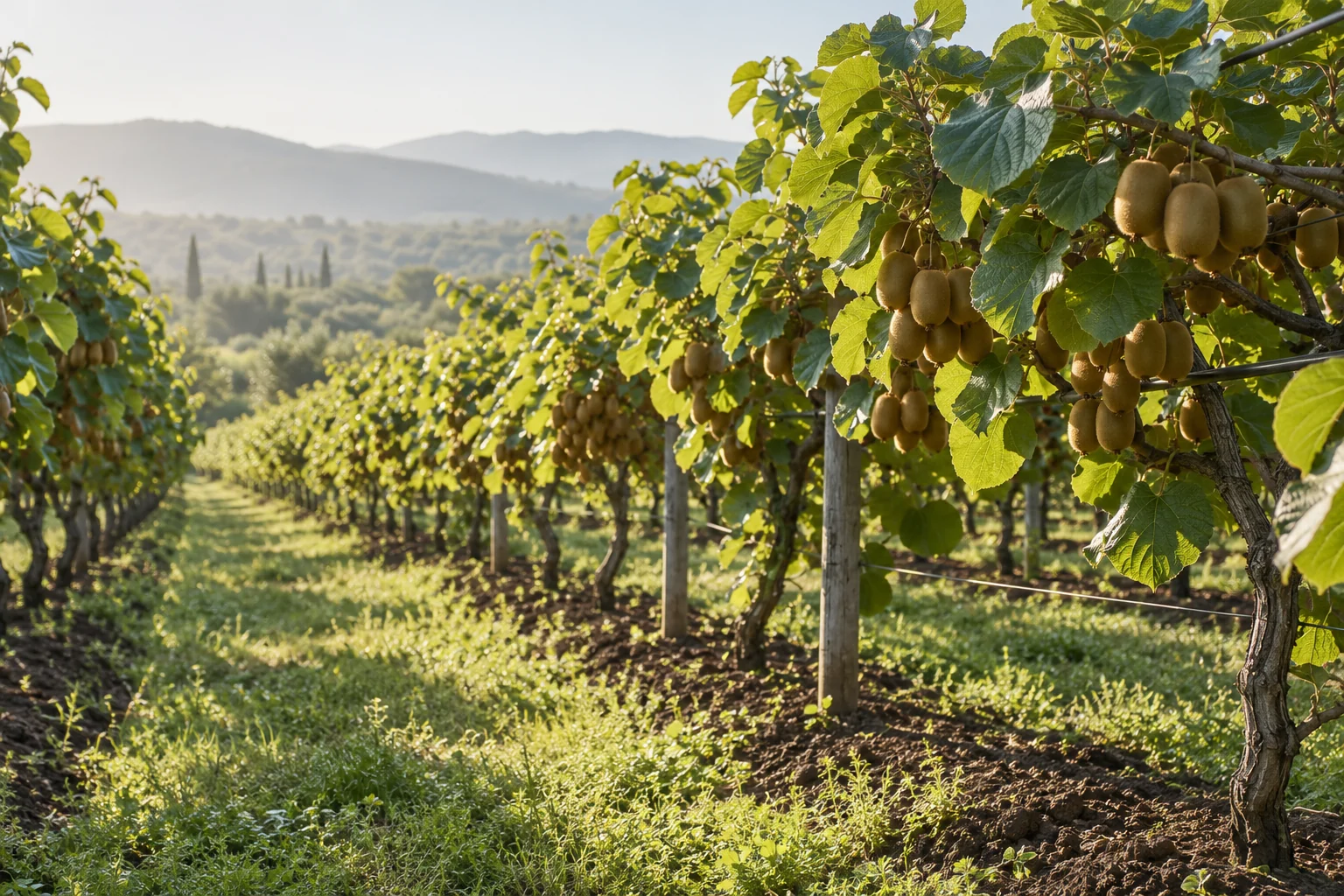
In an orchard, everything starts with the soil. Natural zeolite is considered as a mineral soil amendment, with interest in moisture and nutrient management.
- The relationship between the porous structure and water.
- Retention and exchange of cations such as ammonium and potassium.
- Assessment alongside orchard irrigation and nutrition.
Kiwifruit, olives and other tree crops have different requirements. Selection should be guided by soil analysis and advice from an agronomist.
Vegetables.
Every cycle counts.
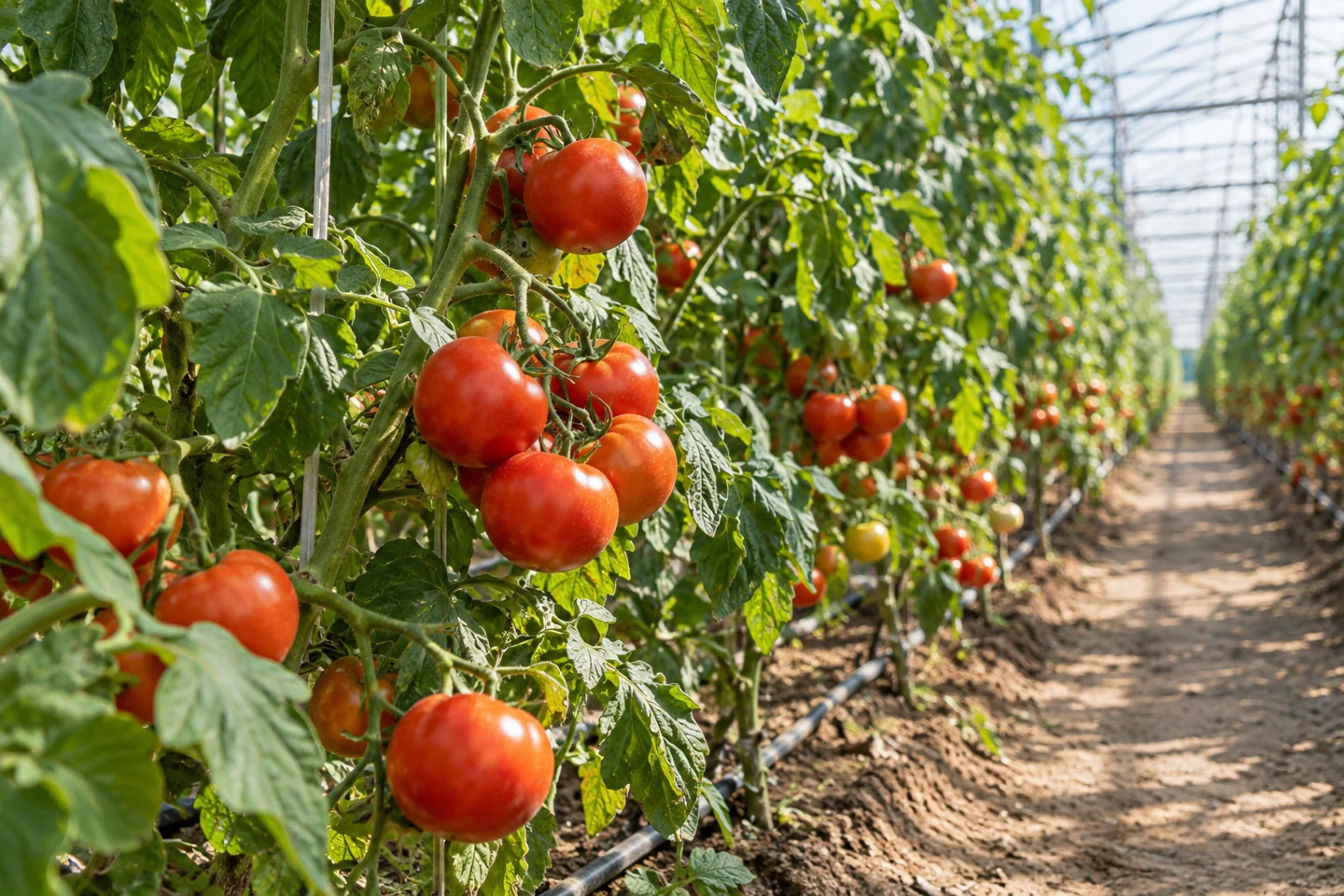
In vegetable production, water and nutrient management follow the plant’s growth cycle. The use of zeolite is studied as part of that programme, in soil or growing media.
In the field
Soil texture and irrigation conditions set the context for assessment.
In the greenhouse
The growing medium, water quality and nutrition are considered as a single system.
Nurseries &
growing media.
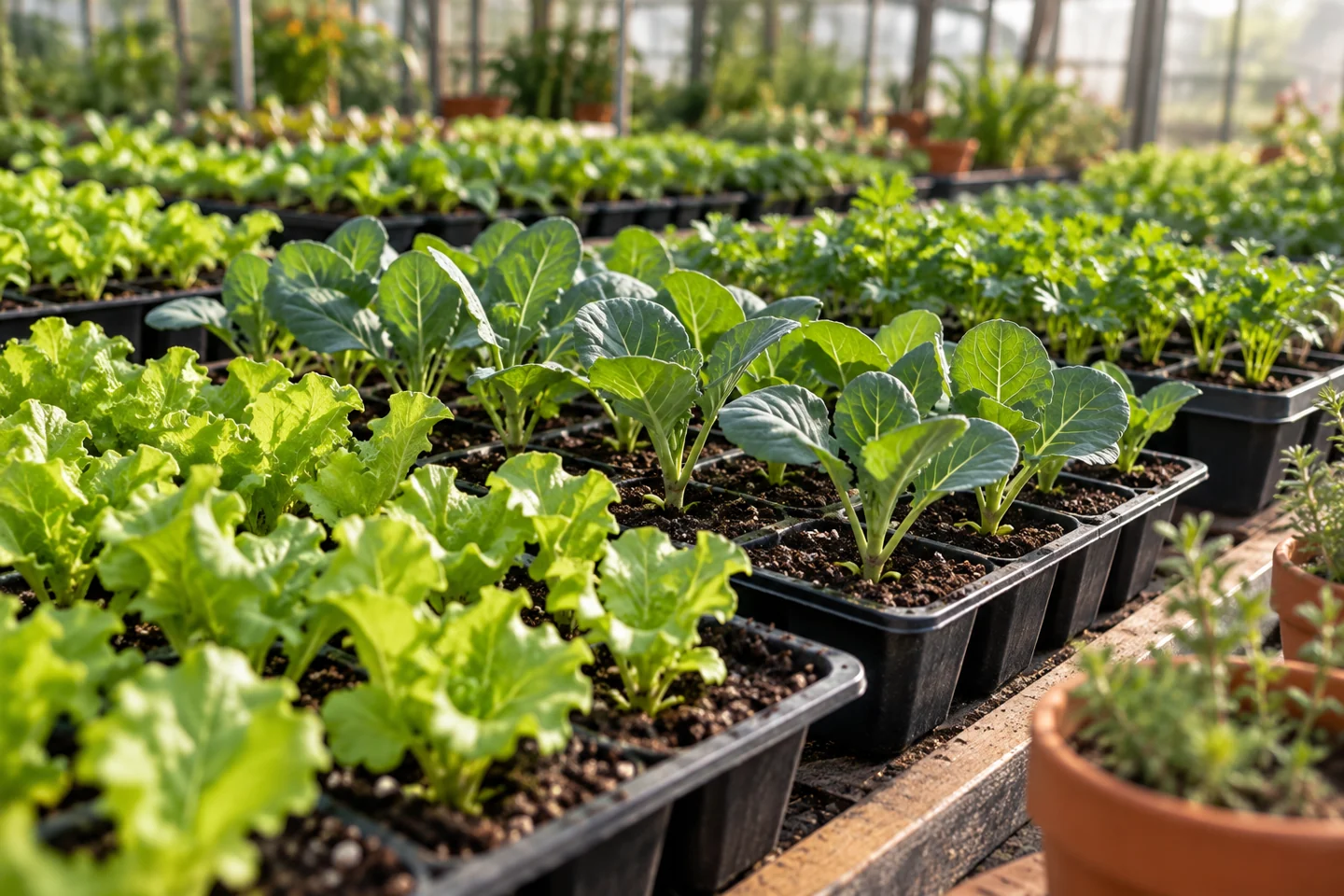
A small container brings specific needs. Zeolite is considered as one component of a mix, based on the behaviour of water and nutrients.
- A suitable particle size for the mix.
- Its relationship with the other components of the growing medium.
- The plant species’ response in a limited trial.
The proportion used is selected through technical assessment of the particular material and growing medium.
Soil &
soil mixes.
The name ‘zeolite’ does not describe a product on its own. Origin, mineral composition and particle size provide a meaningful picture of the material.
The soil
Texture, pH and analysis results establish the starting point for assessment.
The material
Documented characteristics are needed for the particular mineral and its available form.
The application
A small-scale trial helps monitor its behaviour under real conditions.
Livestock.
Every day on the farm.
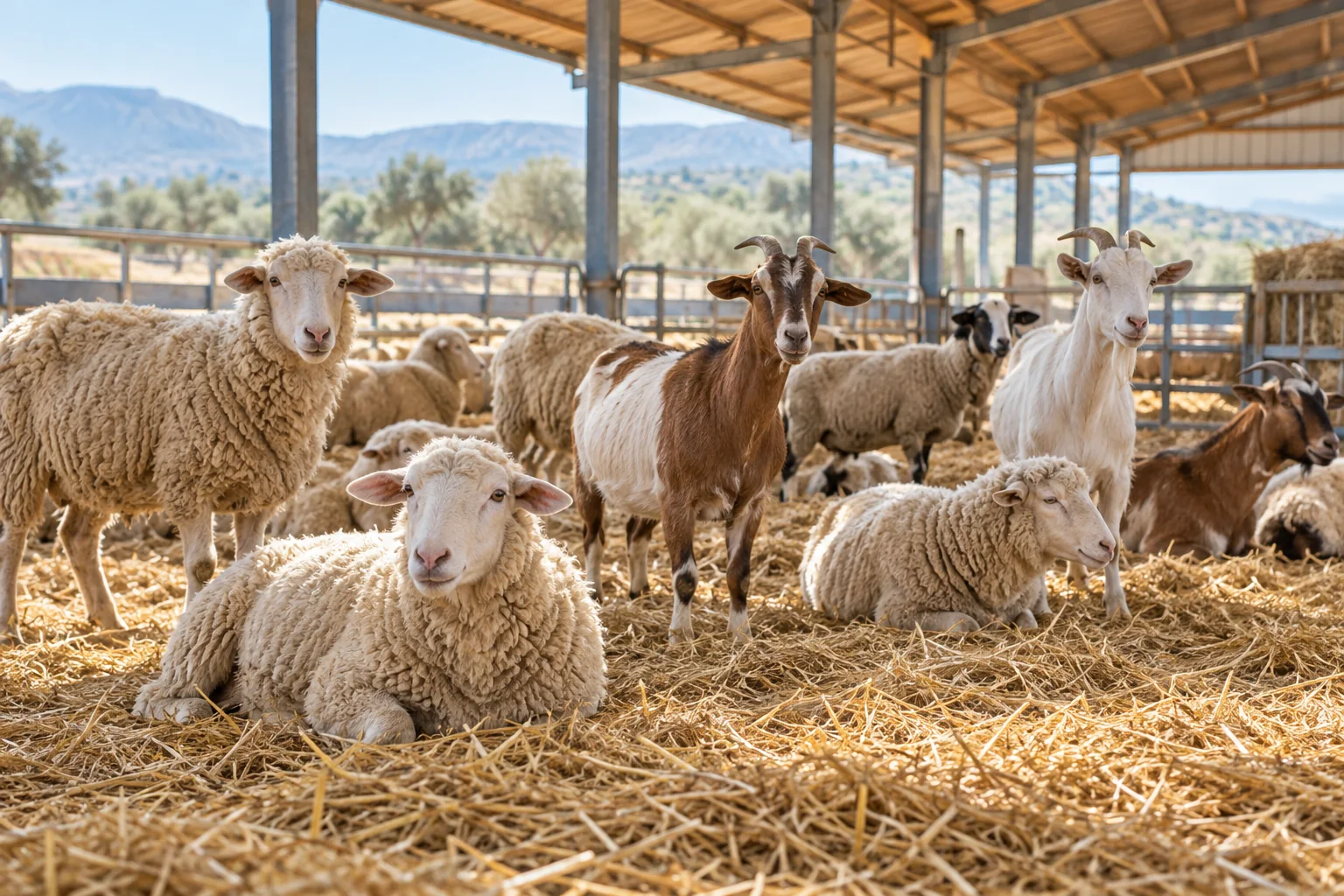
Bedding, moisture and manure management. The porous structure and clinoptilolite’s ability to bind ammonium ions explain research interest in livestock applications.
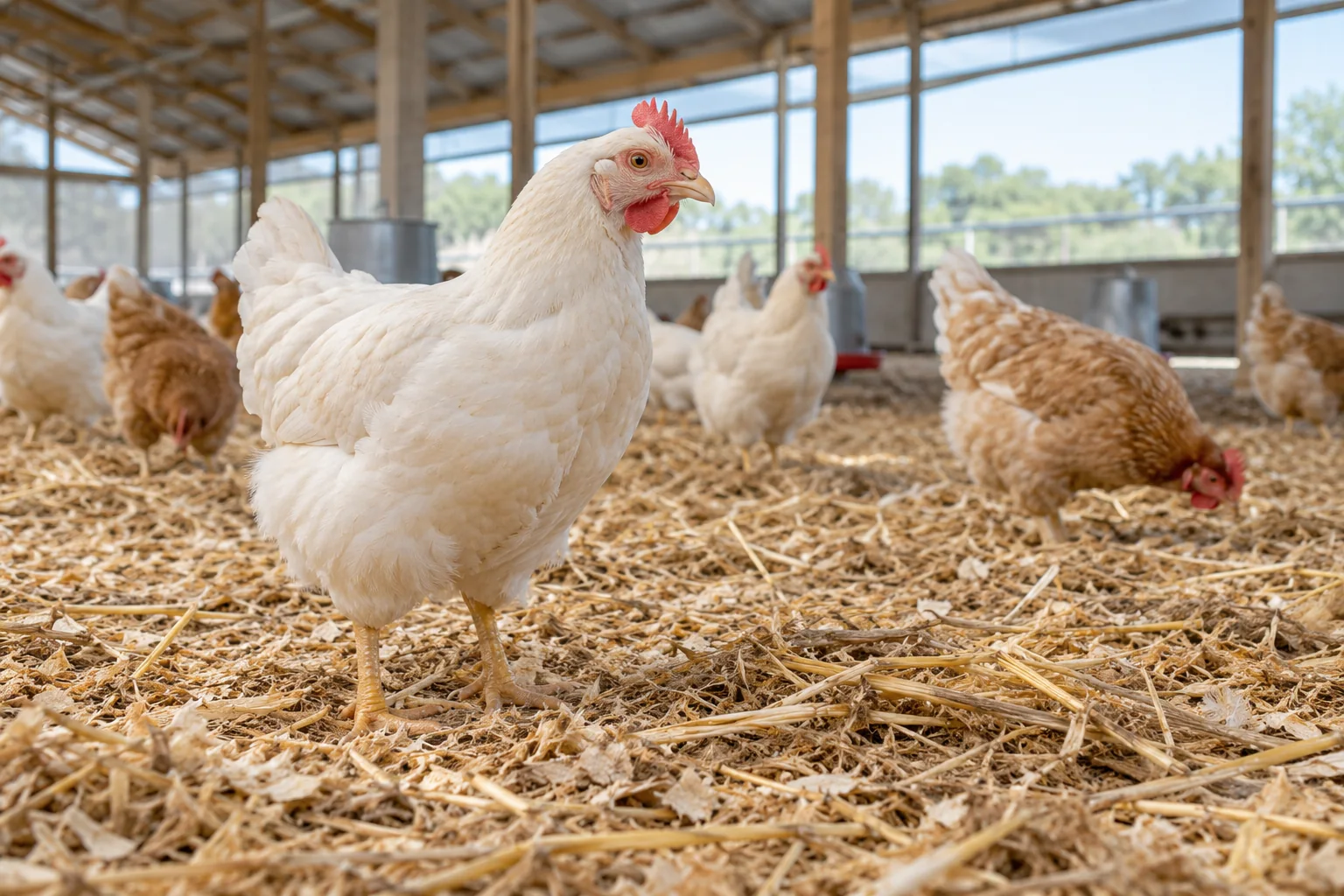
In bedding
Adding suitable natural zeolite to bedding has been studied for moisture and ammonia management, particularly in poultry production. Its behaviour depends on the material, bedding and farm conditions.
In manure
Ammonium binding is studied as a way of limiting nitrogen losses. Results vary between trials; surface application alone does not guarantee an ammonia reduction.
Choosing a material
Mineral composition, purity, particle size and dust require technical assessment. Review these with the farm manager and a veterinarian or animal nutrition specialist. This does not replace ventilation, cleaning and sound management.
For use in animal feed: the material must meet the specific specifications and conditions of the applicable authorisation. The relevant EU authorisation concerns a particular clinoptilolite additive of sedimentary origin as a binder; it does not authorise every zeolite. Before any dietary use, request evidence of the product’s suitability and specialist guidance.
Research sources: Poultry bedding (2016) · Clinoptilolite and ammonia in cattle (2024) · Regulation (EU) 2026/167. General information, without dosage instructions, therapeutic claims or guarantees of ZEOKEL product performance.
Research provides
the starting point.
The literature examines water retention and cation management in different soils. Results depend on the material, conditions and method of application.
University of Arizona
Cooperative Extension
Zeolite Application in Crop Production · 2020
This information concerns general properties, not technical specifications or guaranteed results for a ZEOKEL product. Dosage and application methods require data for the specific material and advice from an agronomist.
Tell us about
your application.
For your crop, livestock farm or a business partnership.